CASA Hub PDC601 USB-C Power Adapter for $49
June 21, 2018 / by Marco / Categories : Business, deals, design, entrepreneur, website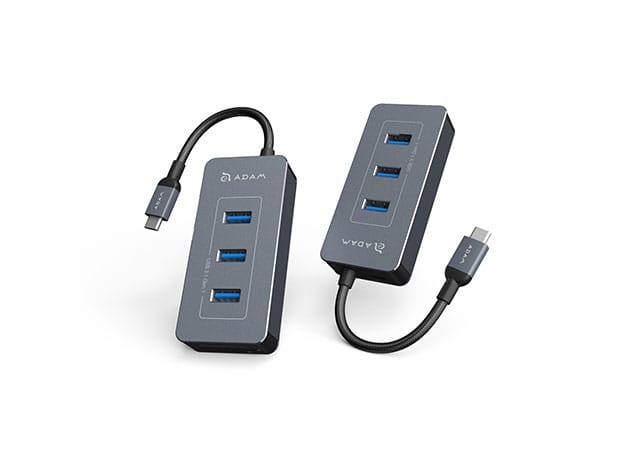

KEY FEATURES
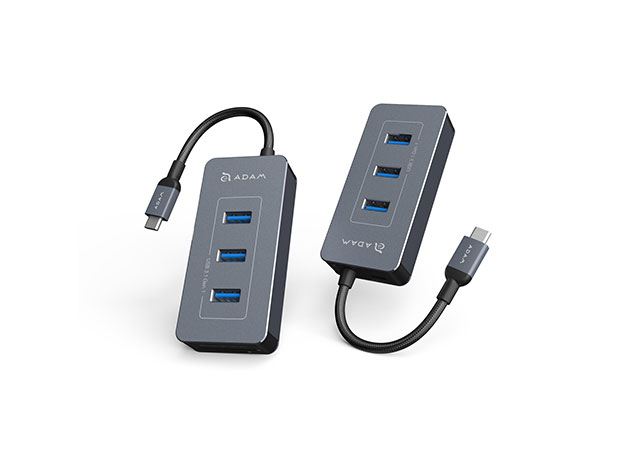
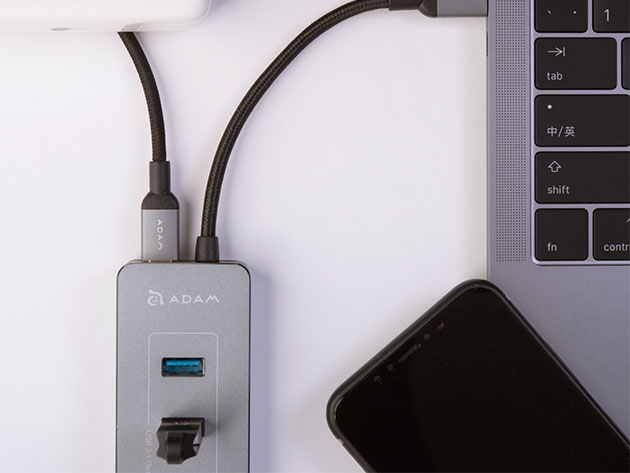
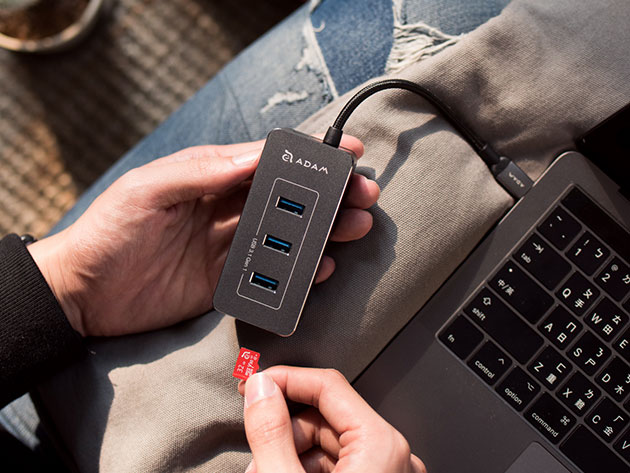
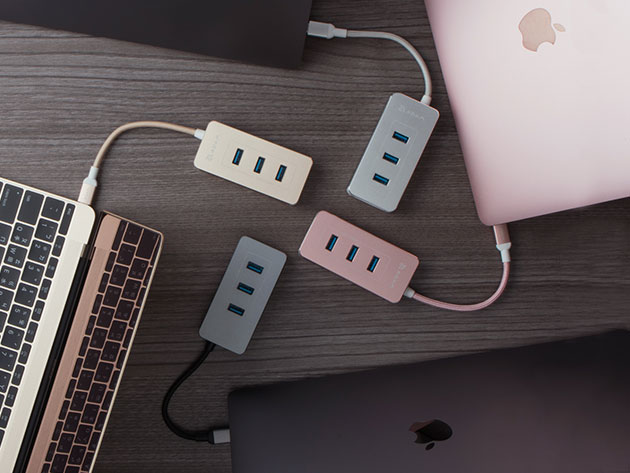
We’re all for thinner laptops, but those sleek designs mean fewer ports to plug into, which can get frustrating when you need to power up and plug in external devices. The smallest adapter of its kind, the CASA Hub PDC601 connects via your laptop’s USB-C port and expands your plugging potential with six additional ports. Now, you can print files, backup data, and more while juicing up your device on the move.
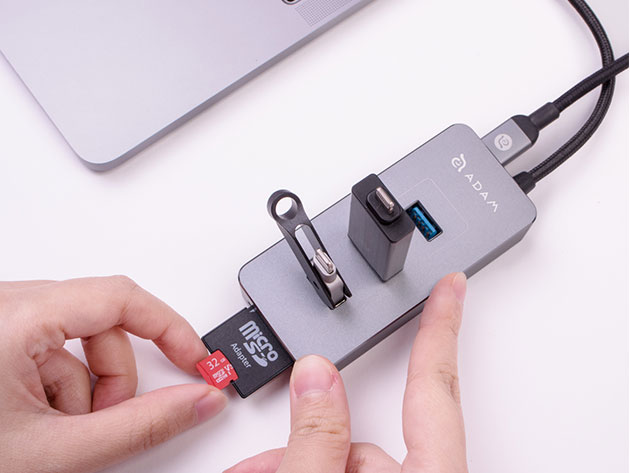
- Expand your inputs w/ a USB Type-C PD port, three USB 3.1 Type-A ports, a SD Card slot & a microSD Card slot
- Access 4K video files at 60fps w/ the SD Card slot & a microSD Card slot
- Protect against scratches, bumps, & electromagnetic interference thanks to its strong aluminum housing
- Charge laptops & phones quicker w/ 80W power rating
- Process data faster w/ transfer speeds up to 5Gb/s
PRODUCT SPECS
Details
- Max power rating supports 80W (20V/4A)
- Features USB Type-C PD port, three USB 3.1 Type-A ports, SD Card slot & microSD Card slot
- CE, FCC & BMSI-certified
- Dimensions: L 3.6″ x W 1.6″ x H 0.7″
- Weight: 100g
- USB-A transfer speed: 5Gbps
- Supported video resolutions: 4K 60fps, 4K 30fps, 2.7K 60fps, 2.7K 30fps, 1440p 60fps, 1440p 30fps, 1080p 120fps, 1080p 60fps, 1080p 30fps
Compatibility
- Android 5.0 above, Mac OS, Windows XP/7/8/10, Linux, Chrome OS
Includes
- CASA Hub PDC601 (grey)
- Manual
- Manufacturer’s 3-year warranty

Marco / admin / 30 Nov
Writing day to day ramblings about making money, business, technology, sharing awesome deals and everything else that I know I'll forget. Follow my personal blog https://marcotran.com.au
I've recently also turned Vegan and started this website Veggie Meals - check it out
"When technology speaks for itself, that is art" - MT
Affiliate Compensated: there are some articles with links to products or services that I may receive a commission.
OTHER ARTICLES YOU MAY LIKE

USING THE LATEST CLAUDE MODEL TO BUILD GREAT TOOLS
If you have ever had an idea for a small tool but stopped because coding felt too hard, the latest Claude model makes that gap much smaller. You can now describe what you want in plain English, ask Claude to plan it, build the first version, improve the design, write the logic, test the workflow, […]
read more
REVIEWING AND UNBOXING THE TOOCKI USB-C RIGHT ANGLE 1.2M CABLE
USB C cables are among the most ordinary accessories we own, yet they can make a surprisingly noticeable difference to how comfortable our devices are to use while charging. The Toocki USB C right angle cable is a good example of a simple accessory that tries to solve a very common irritation, because instead of […]
read more