EASY TYRE PRESSURE SENSOR RESET TUTORIAL | RENAULT KOLEOS & SIMILAR CARS
March 25, 2026 / by Marco / Categories : Business, Cars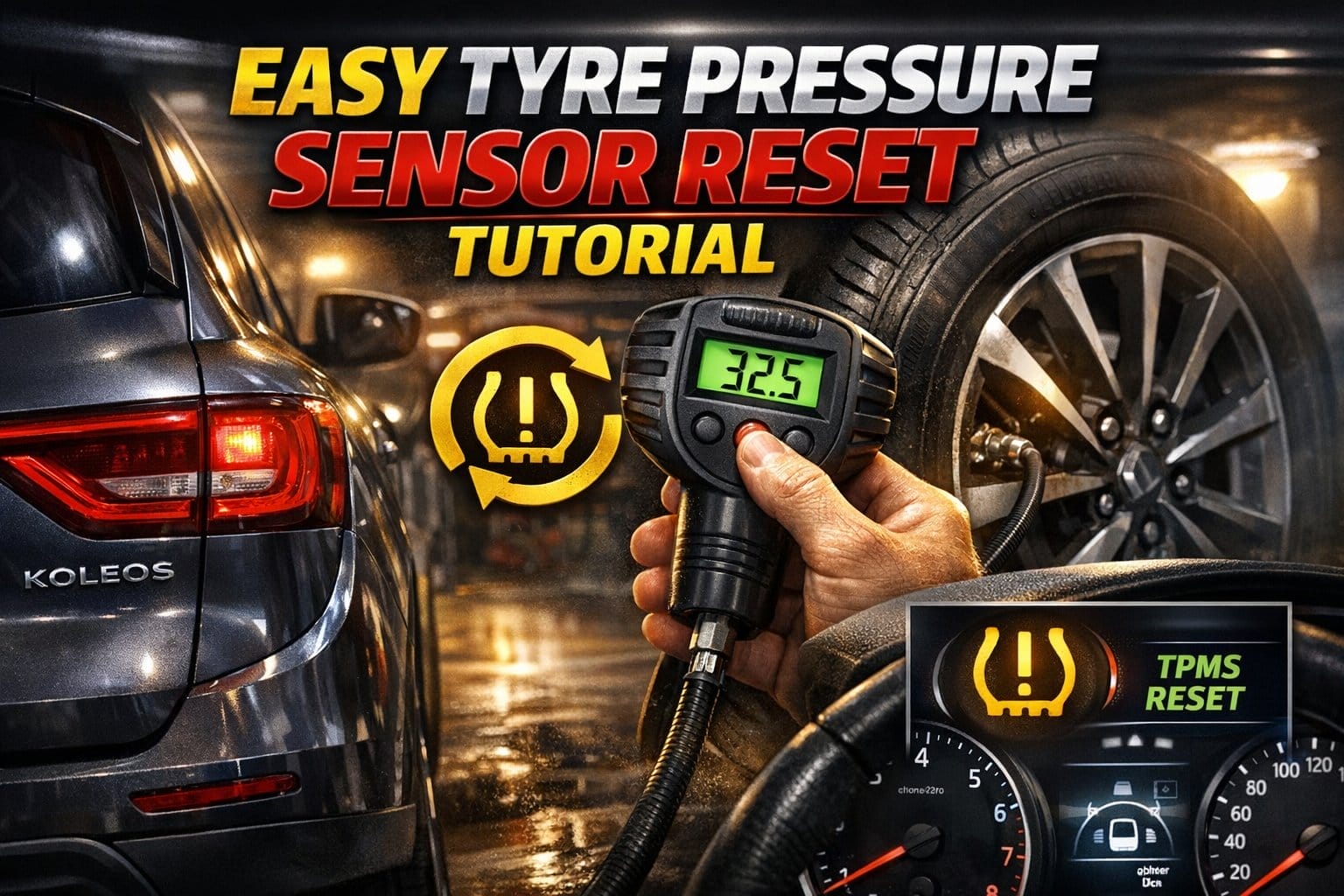
If you have recently adjusted your tyres, topped up the air pressure, or seen a warning appear on your dashboard, knowing how to reset the tyre pressure monitoring system on a Renault Koleos can save you time and unnecessary worry. The process is quite straightforward once you know where to look in the vehicle menu, and in most cases it only takes a moment to complete. This guide walks through the reset process clearly, while also explaining what the system is doing, why the warning appears, and what you should check before pressing reset so that you are not simply hiding a genuine problem.
Modern vehicles, including the Renault Koleos, use a TPMS, which stands for tyre pressure monitoring system, to help alert the driver when one or more tyres may be underinflated. This is useful for safety, fuel efficiency, tyre wear, and overall handling. When the system has been triggered after correcting tyre pressures, the vehicle may still need to be told to recognise the new values. That is where the reset option becomes important.
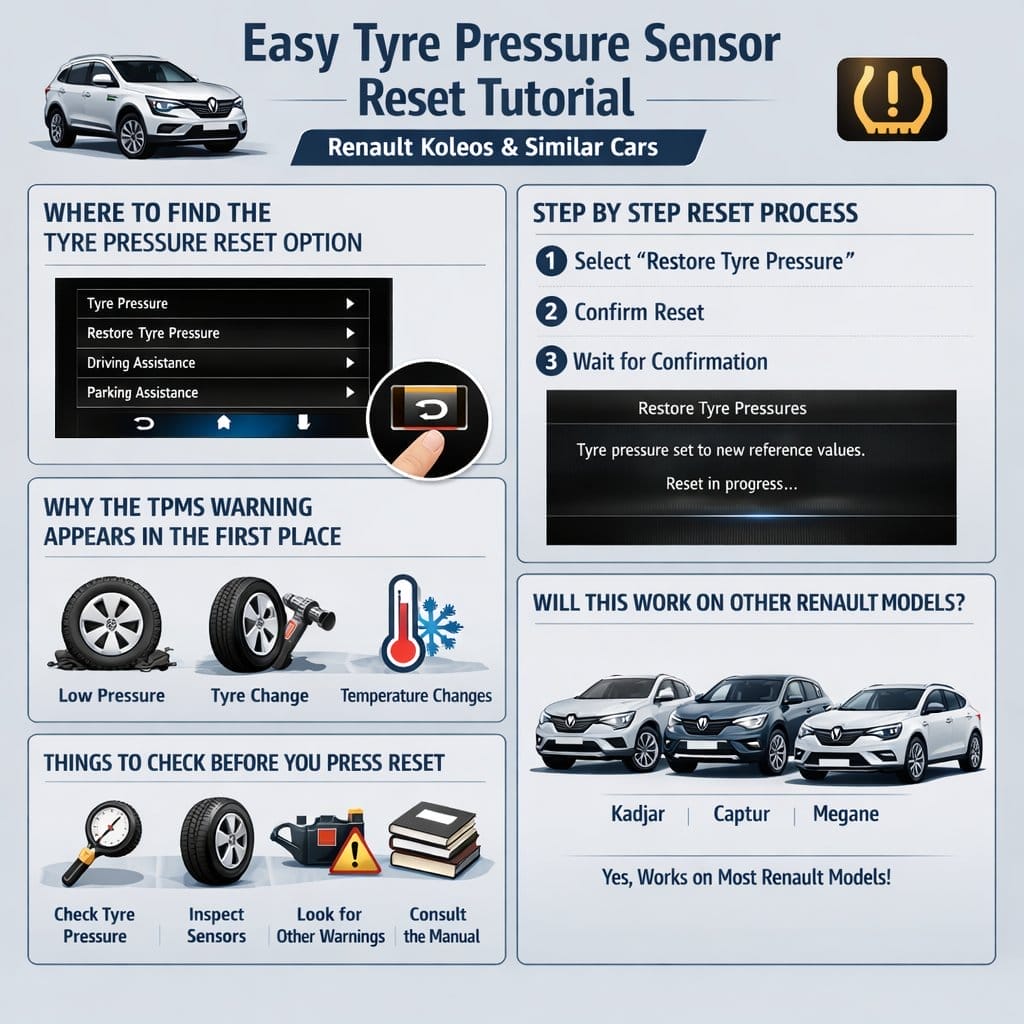
WHERE TO FIND THE TYRE PRESSURE RESET OPTION
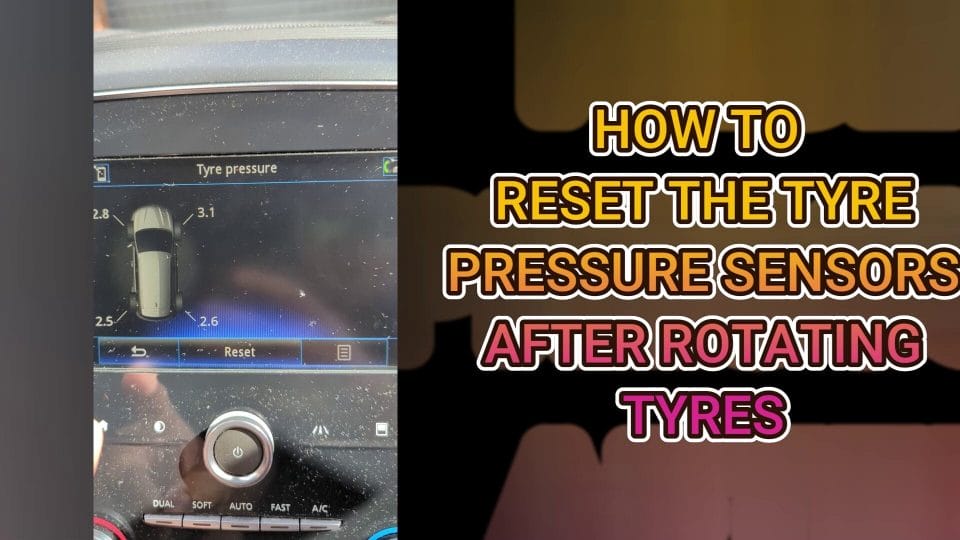
On the Renault Koleos, the tyre pressure reset option is available through the vehicle settings menu on the infotainment screen or dashboard system, depending on the trim and display layout. If you have just inflated the tyres to the correct specification and want the warning to clear, this is the menu path you need to follow.
Start by going into Settings. From there, select Vehicle, and then choose Tyre Pressure. Inside that section, you should see the reset option that allows the car to register the current tyre pressures as the new reference point.
The original walkthrough shows this path very simply, which is often all you need once you are sitting in the car with the ignition on and the menu in front of you.
To begin, navigate to the settings menu first.
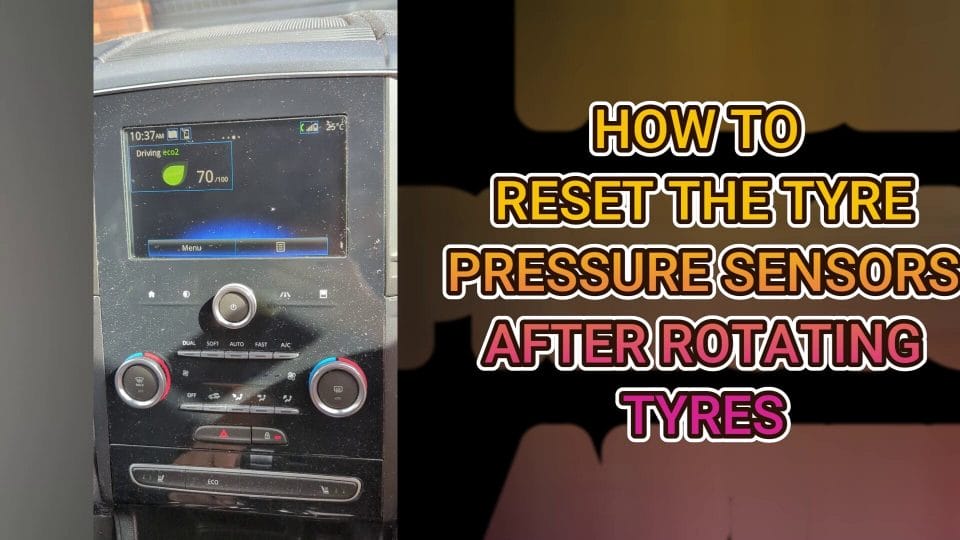
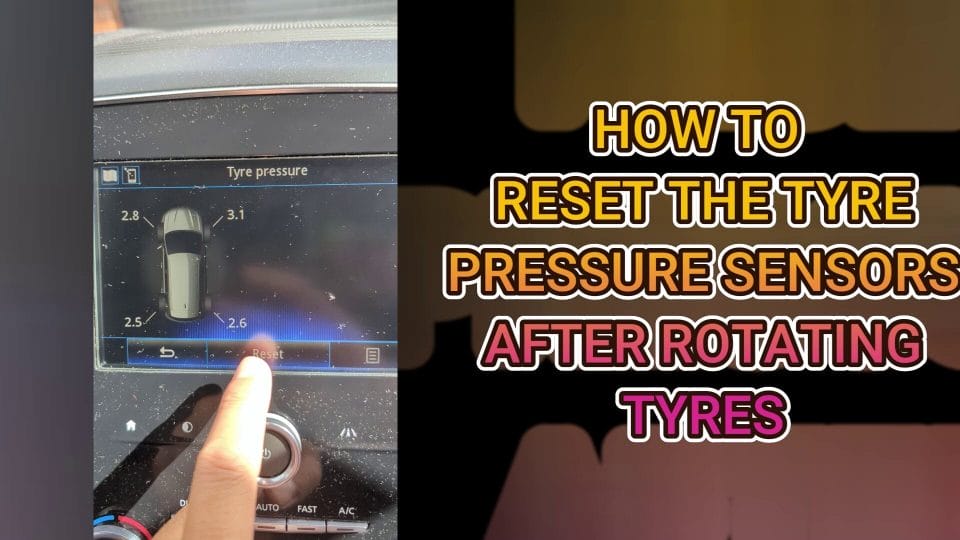
Once you are in the correct section, the final action is just to press reset.
STEP BY STEP RESET PROCESS
If you want the process laid out in a more practical way, here is how to do it from start to finish. First, make sure the tyres are actually inflated to the recommended pressure for your Renault Koleos. This is important because resetting the system before checking the tyres properly can cause the vehicle to accept incorrect pressures as normal. You can usually find the correct tyre pressure information on a sticker inside the driver door area or in the owner manual.
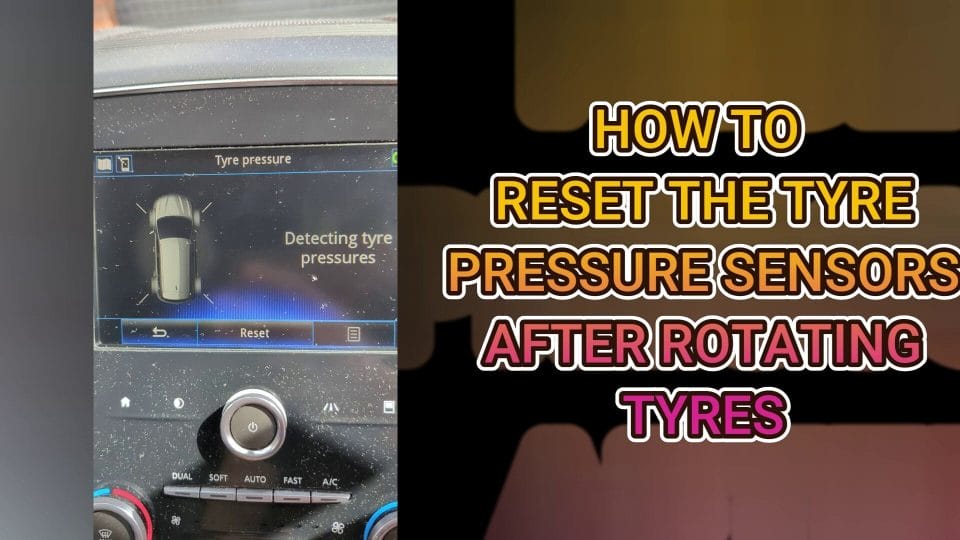
After confirming the pressures, switch on the ignition. Depending on the model, you may not need to start the engine, but the vehicle electronics and display need to be active. Open the settings menu on the display, go into the vehicle section, then open the tyre pressure page. Once there, press the reset option and allow the vehicle to store the current readings. In some cases, a confirmation message may appear, while in others the system simply accepts the command and updates in the background.
After resetting, drive the vehicle normally for a short period if needed. Some systems take a little time to fully update, especially if they monitor pressure changes while the car is moving. If the warning light remains on after the reset and after driving, it may indicate that one tyre is still low, there is a slow puncture, or there is a fault with the TPMS itself.
The guide this article is based on was shown on a Renault Koleos, but the menu layout may look very similar across other Renault vehicles and even on other cars with digital vehicle settings. The wording might differ slightly, yet the idea remains largely the same.
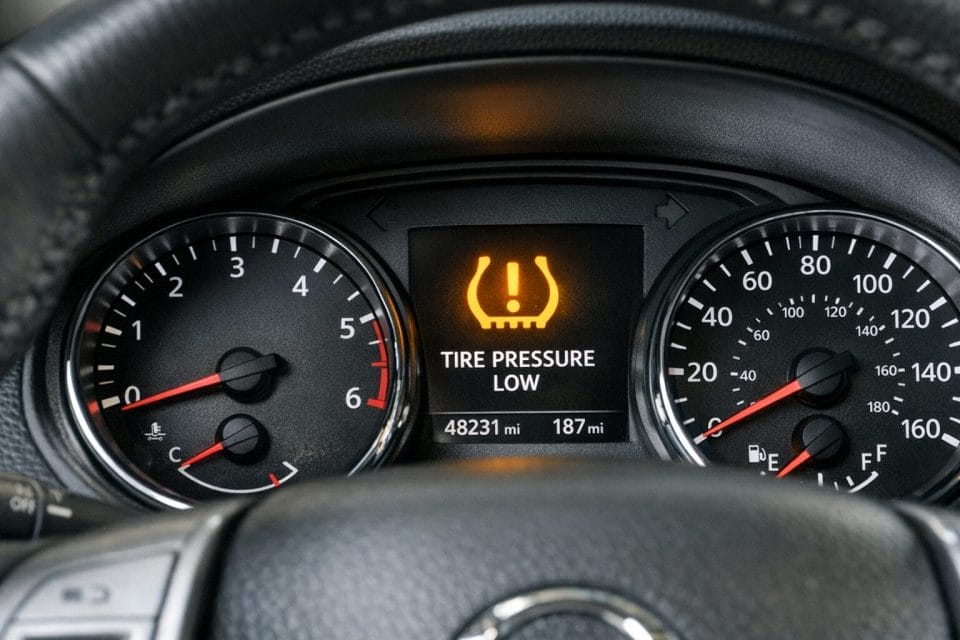
The tyre pressure monitoring system is often shortened to TPMS, and that is the term you will commonly see in manuals, warning messages, and service discussions.
WHY THE TPMS WARNING APPEARS IN THE FIRST PLACE
Many drivers assume that a TPMS warning always means there is a puncture, but that is not necessarily true. In some situations, a warning appears because of a natural drop in temperature, which lowers tyre pressure slightly. In other cases, the tyres may have been adjusted during a service, rotated, replaced, or topped up after the system had already registered older values. Even a minor pressure difference can be enough to trigger an alert.
The purpose of the system is to draw your attention to a possible issue before it becomes more serious. Underinflated tyres can affect braking distance, steering response, and tyre wear, and they can also increase fuel consumption. For that reason, it is worth taking the warning seriously rather than immediately trying to dismiss it. Resetting should come after inspection, not before it.
THINGS TO CHECK BEFORE YOU PRESS RESET
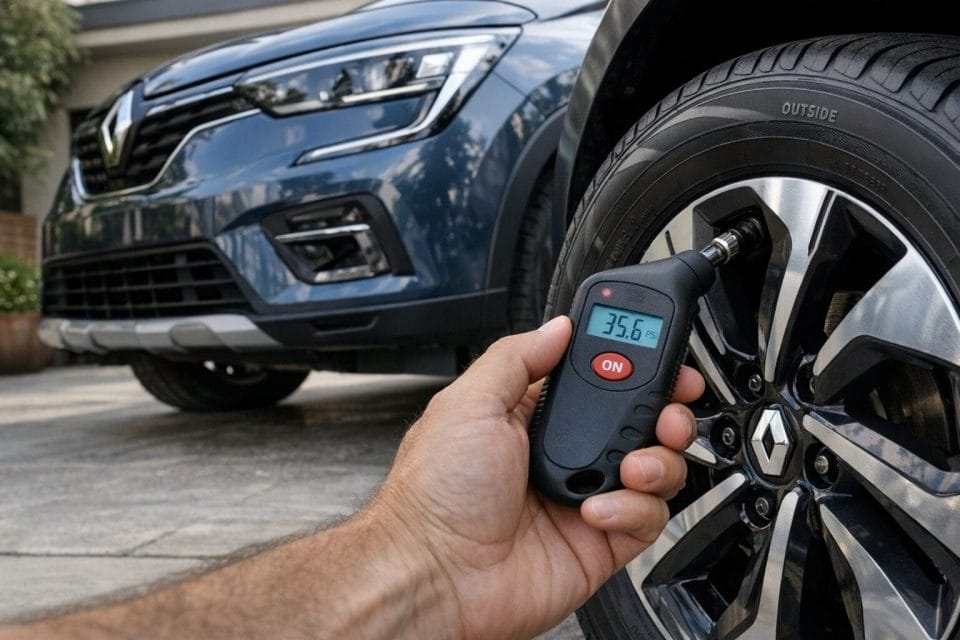
Before using the reset function, it is good practice to do a quick check around the car. Look at each tyre carefully and make sure none of them appears visibly low. Use a reliable tyre pressure gauge instead of guessing by eye, because modern tyres can look acceptable even when they are below the correct pressure. If you have recently used an air pump at a fuel station, it is worth double checking the values, especially if the machine was heavily used or the readings seemed inconsistent.
You should also check whether the tyres are cold when measuring them, because tyre pressures can rise after driving. Manufacturers usually provide recommended pressures for cold tyres, which gives a more accurate baseline. If you measure them after a journey, the readings may be slightly higher than normal, and adjusting them immediately may lead to underinflation later when they cool down.
Also pay attention to any signs of damage. If a tyre has a nail, screw, cut, or bulge, resetting the TPMS will not solve the underlying issue. The same applies if the warning keeps returning repeatedly over several days. In that case, there may be a slow leak or a failing sensor that needs proper attention.
WILL THIS WORK ON OTHER RENAULT MODELS
Yes, very likely, although the exact menu names and screen design may vary. The reset path shown on the Renault Koleos should be very similar on other Renault models that include a tyre pressure monitoring system through the central display. If you drive a different Renault SUV, hatchback, or saloon, you will probably still find the option somewhere under settings and vehicle related menus.
That said, some vehicles use direct sensor readings from each wheel, while others rely on indirect monitoring through the ABS system and wheel speed data. Because of those differences, one model might say reset, another might say reinitialise, and another might require you to confirm that pressures have been adjusted. The practical result is still the same, as the vehicle needs to store a new normal reference after the tyres have been corrected.
If you are working with another brand entirely, the principle is also familiar. Many manufacturers hide this function inside driving settings, service menus, or vehicle configuration pages. So if you have used this process on the Koleos, it becomes easier to recognise what to look for in other cars.
WHEN A RESET DOES NOT FIX THE PROBLEM
Sometimes the reset works perfectly and the warning disappears, but sometimes the message stays on or comes back. If that happens, it is a sign that something else may be going on. The most common reason is that one or more tyres are still not at the correct pressure. Another common cause is a slow puncture that allows the tyre to lose pressure gradually even after being inflated.
There can also be issues with the TPMS sensors themselves, particularly on older vehicles where sensor batteries may be weakening. In some cases, a recent tyre change or wheel swap can also create confusion if the sensors were damaged, not detected correctly, or not relearned by the system. If the warning continues despite correct tyre pressures and a proper reset, it may be time for a tyre shop or garage to inspect the sensors and the wheels more closely.
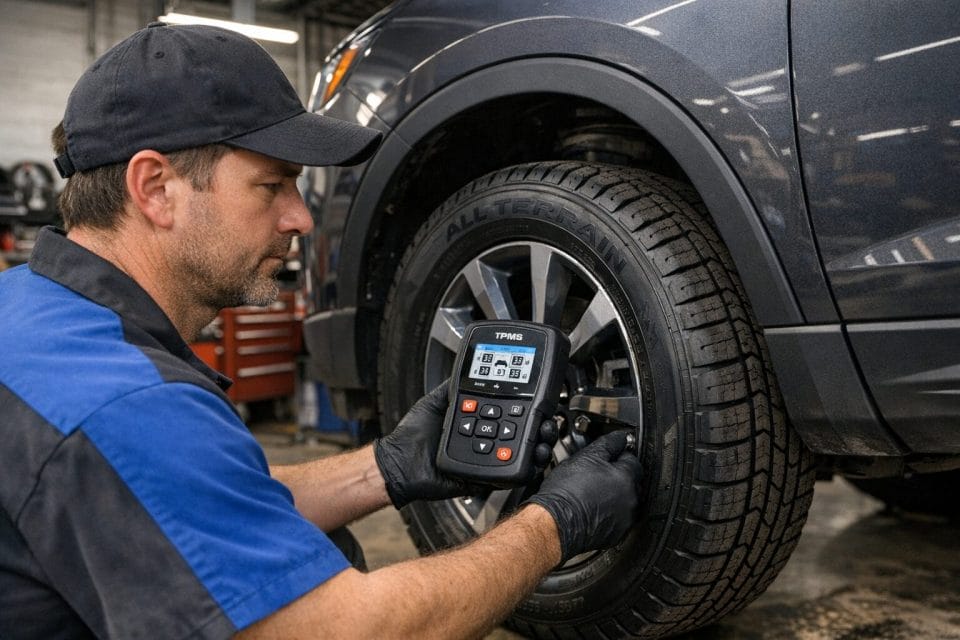
A SIMPLE MAINTENANCE TASK THAT IS WORTH KNOWING
Resetting the tyre pressure sensors on a Renault Koleos is one of those small tasks that feels much more complicated until you have done it once. After that, it becomes a quick routine whenever you adjust tyre pressures or respond to a dashboard alert. The key thing is to remember the proper sequence. Check the tyres first, confirm the pressures are correct, then go to settings, vehicle, tyre pressure, and press reset. That simple process helps the system work as intended and gives you more confidence that the warning light is showing something meaningful rather than outdated information.
For everyday driving, this is a useful bit of practical knowledge to have, especially if you like handling straightforward vehicle maintenance yourself rather than booking in for every minor warning. The Renault Koleos makes the process accessible through the menu system, and once you know where it is, the reset takes only a moment. If you own another Renault or a similar modern vehicle, the same logic will often apply, which makes this a handy trick to keep in mind whenever tyre pressure warnings appear.

Marco / admin / 30 Nov
Writing day to day ramblings about making money, business, technology, sharing awesome deals and everything else that I know I'll forget. Follow my personal blog https://marcotran.com.au
I've recently also turned Vegan and started this website Veggie Meals - check it out
"When technology speaks for itself, that is art" - MT
Affiliate Compensated: there are some articles with links to products or services that I may receive a commission.
OTHER ARTICLES YOU MAY LIKE
EASY TYRE PRESSURE SENSOR RESET TUTORIAL | RENAULT KOLEOS & SIMILAR CARS
If you have recently adjusted your tyres, topped up the air pressure, or seen a warning appear on your dashboard, knowing how to reset the tyre pressure monitoring system on a Renault Koleos can save you time and unnecessary worry. The process is quite straightforward once you know where to look in the vehicle menu, […]
read moreHOW TO USE GOOGLE WORKSPACE STUDIO FLOW IN GMAIL FOR SMART EMAIL AUTOMATION
Google keeps slipping new productivity features into Workspace, and sometimes the most useful ones are the tools you almost discover by accident while checking email. That is exactly the case with Studio Flow, a feature that has started appearing inside Gmail and wider Google Workspace environments, and it looks like Google is pushing further into […]
read more